
Journal of Project Management Research
The Journal of Project Management Research (JPMR) publishes high-quality, peer-reviewed research advancing methodologies and practice across industries.
Indexed & Listed In





Focus Areas in Project Management
The journal’s scope encompasses, but is not limited to, the following areas:
- • Project Management Methodologies and Frameworks
- • Project Planning and Scheduling
- • Project Risk Management
- • Project Leadership and Team Dynamics
- • Project Performance Measurement and Evaluation
- • Innovation and Change Management in Projects
- • Industry-Specific Project Management
- • Sustainability and Ethics in Project Management
- • Global and Cross-Cultural Project Management
- • Technology and Tools for Project Management
- • Project Portfolio Management
- • Project Management Office
- • Education and Training in Project Management
Call for Papers
Vol. 2 No. 2 (2026)
Submission Deadline: 15 October 2026
We invite original research articles, reviews, case studies, and practice insights in all fields of project management.
View Call for PapersSubmission Process
Submit
Manuscript
Initial Screening
1 weekPeer Review
3–6 weeksRevision
2–4 weeksEditorial
Decision
Payment
first reminder:2 weeks
LoA for
Publishing
Copy-edit &
Proofread
Publication
Latest Articles
View all articles| Article | Author(s) | Pages | |
|---|---|---|---|
| Aditiya Putra Karisma, Leni Sagita Riantini, Mohammad Ichsan | 1-18 | ||
| Bagus Adi Prabowo, Wisnu Isvara, Titi Sari Nurul Rachmawati | 19-38 | ||
| Widya Apriani, Yusuf Latief, Leni Sagita Riantini | 39-55 | ||
| Ayman Aref M Radi, Aref Ayman Radi | 56-74 | ||
| Ayomi Dita Rarasati, Reza Novianda Firdaus, Andi Muhammad Ifrad | 75-100 |
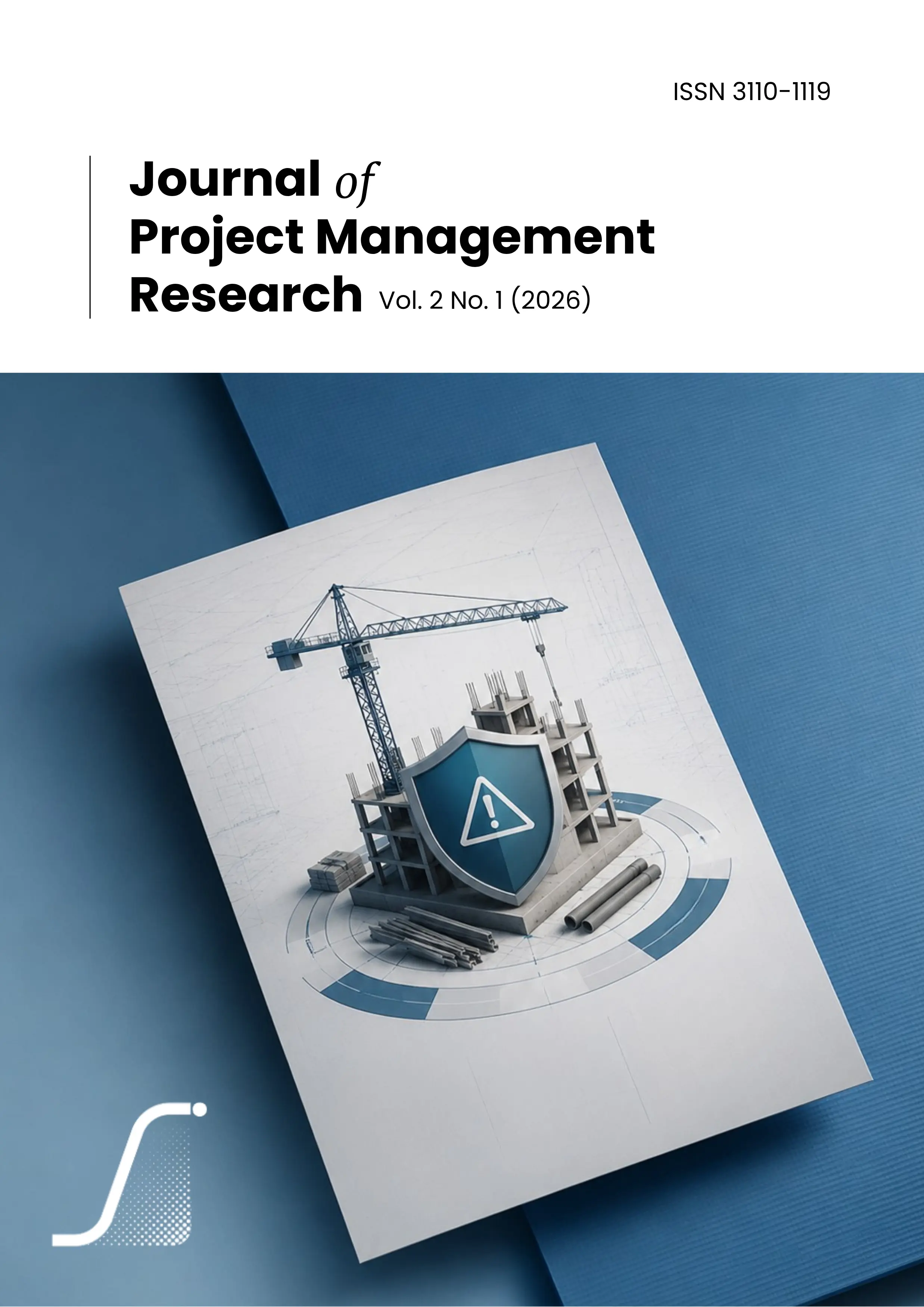
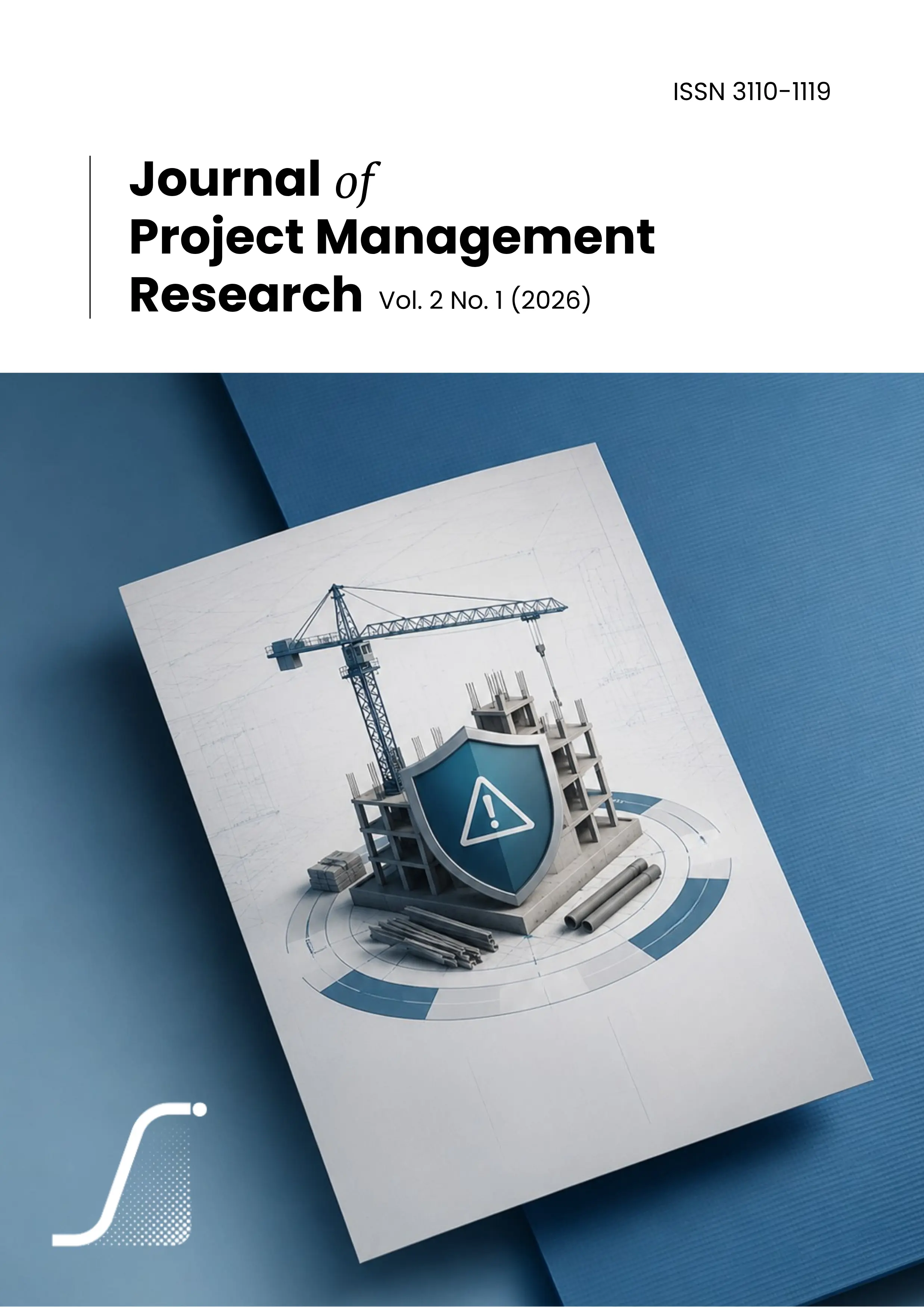
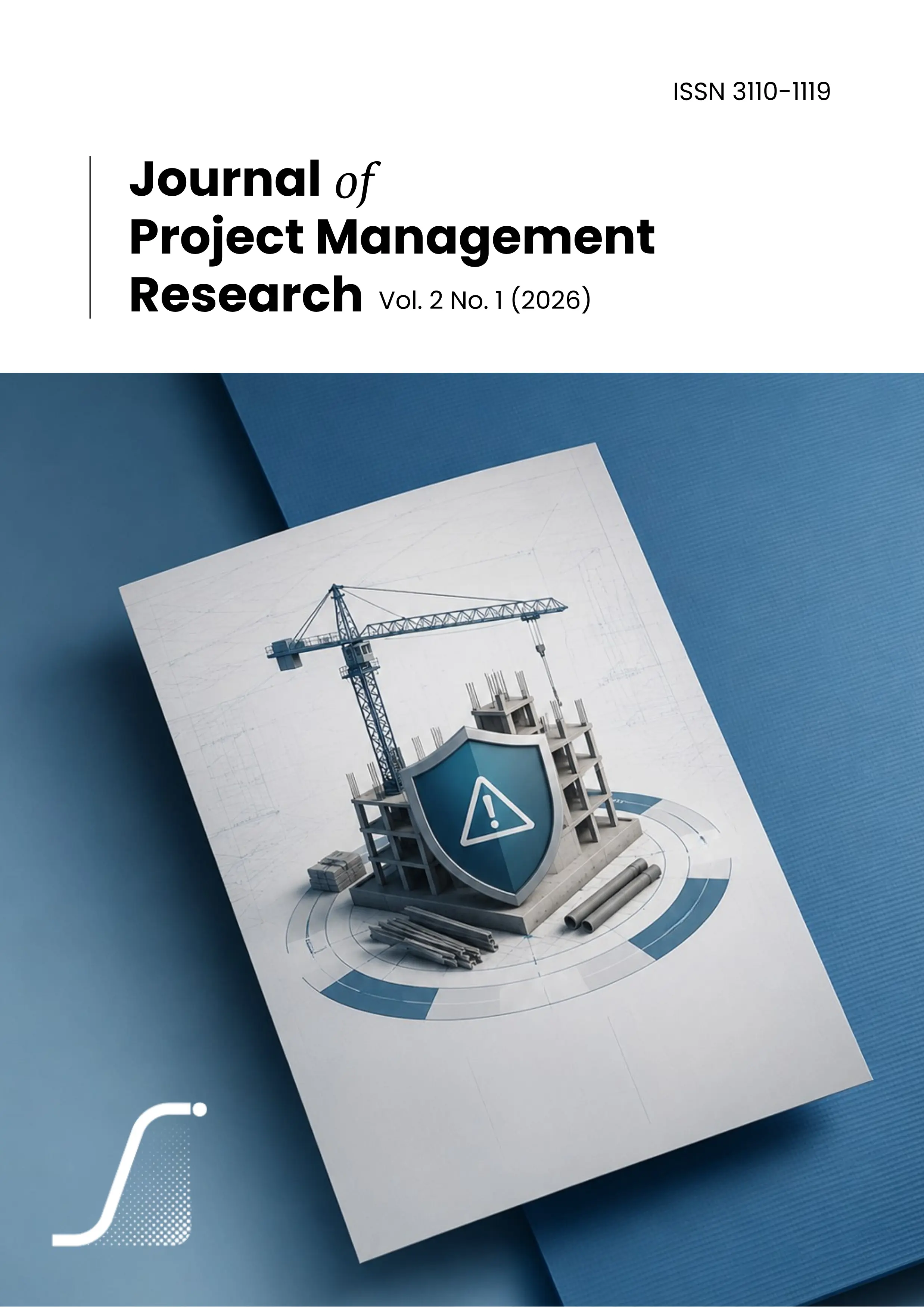
For Authors
Find author guidelines, templates, and submission requirements.
For Readers
Explore current and past issues, discover published research, and learn more about the journal.
About the Journal
The Journal of Project Management Research (JPMR) is an open access, peer-reviewed journal that publishes original research articles, critical reviews, and case studies on all aspects of project management.
We welcome contributions that advance theory, inform practice, and support decision-making in diverse organizational and industry contexts. Our readership spans academics, researchers, and practitioners working across construction, infrastructure, technology, and public-sector projects.
Published bi-annually, JPMR is fully open access — all articles are freely available under a Creative Commons license — and every submission undergoes rigorous double-blind peer review to uphold the highest standards of academic integrity and scholarly quality.